

Where are my POPS?
Explore New York City's hidden public spaces and their story.
POPS - Privately Owned Public Spaces
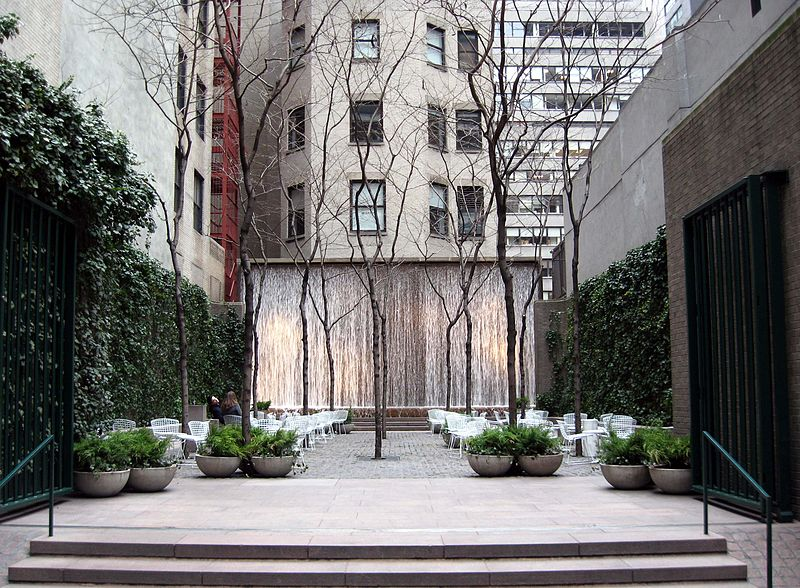
POPS (Privately Owned Public Spaces) are privately controlled areas that are legally required to be open for public use.
500+
40+
Brooklyn
Manhattan
20+
15+
5+
Queens
Bronx
Staten Island
What are POPS?
Privately Owned Public Spaces (POPS) are spaces open for public use, owned and maintained by private property owners in exchange for bonus floor area or zoning waivers. Over 590 POPS across more than 380 buildings in New York City offer opportunities to relax, socialize, and enjoy urban life. These spaces, both indoor and outdoor, range in size and amenities, contributing over 3.8 million square feet of public space, equivalent to nine Bryant Parks or Union Squares.
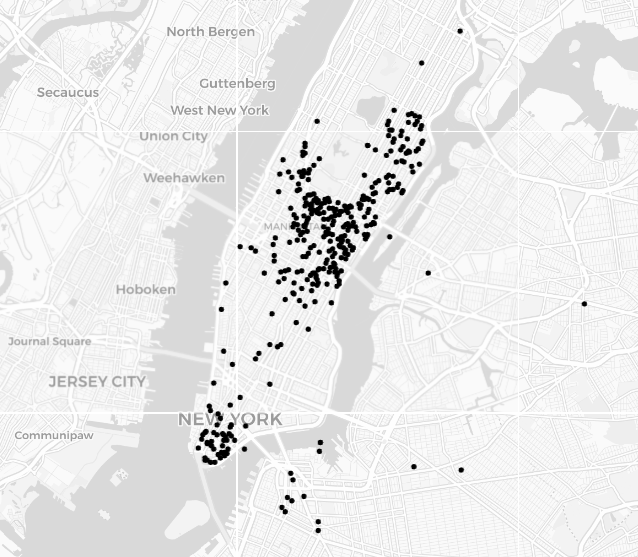
Interactive Map of POPS
Explore detailed locations of privately owned public spaces across the city.
History
POPS originated in 1961 as part of New York City's Zoning Resolution, encouraging open public spaces in dense areas by offering developers incentives for creating plazas or arcades. Initially focused on Manhattan’s urban core, the program has expanded to Brooklyn and Queens alongside growing commercial markets.
The program has evolved to include new space types and refined design standards, ensuring POPS meet changing public needs and tastes. Public plazas and arcades remain central, built in exchange for bonus floor area. Property owners must maintain POPS in perpetuity according to zoning regulations and City approvals.
The Department of City Planning is committed to ensuring POPS are high-quality, accessible, and inviting, with standards detailed in Zoning Resolution Section 37-70.
The current design standards are informed by decades of experience and are guided by the following principles:
Open and inviting at the sidewalk
Easily seen and understood as open to the public
Conveys openness and maintains clear sightlines through low design elements and generous paths leading into the plaza
Provides seating and amenities adjacent to the public sidewalk
Accessible
Located at the same elevation as the sidewalk
Enhances pedestrian circulation
Safe and secure
Contains easily accessible paths for ingress and egress
Oriented and visually connected to the street
Well lit
Comfortable and engaging
Promotes use and comfort by providing essential amenities
Accommodates both small groups and individuals with a variety of well-designed, comfortable seating
Balances open areas with greenery and trees
Current Design Standards
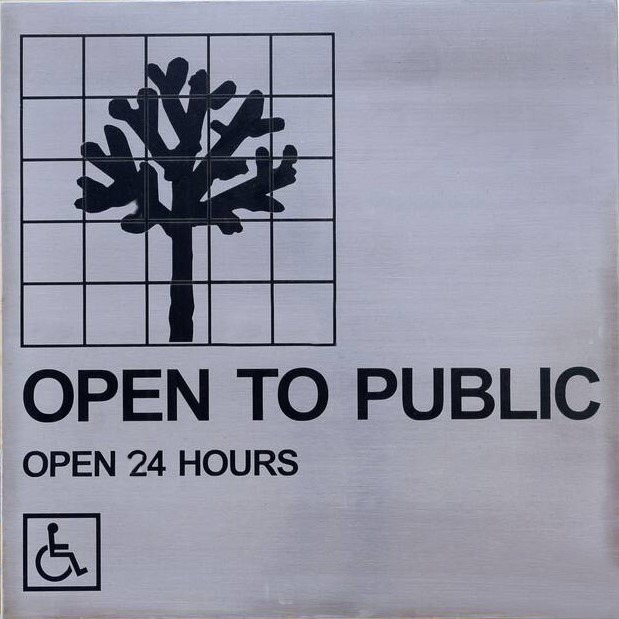
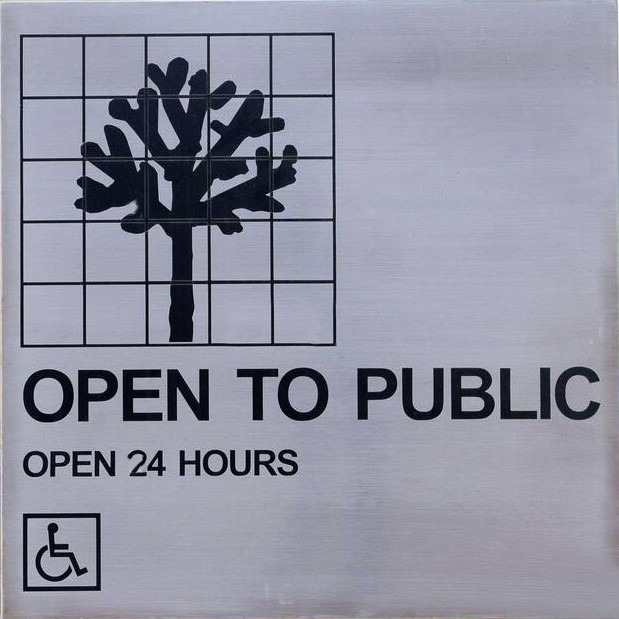
POPS Signs


Contact
Questions or feedback? Reach out anytime.
© 2026. All rights reserved.
Complaints or Questions
Call 311 and reference the location